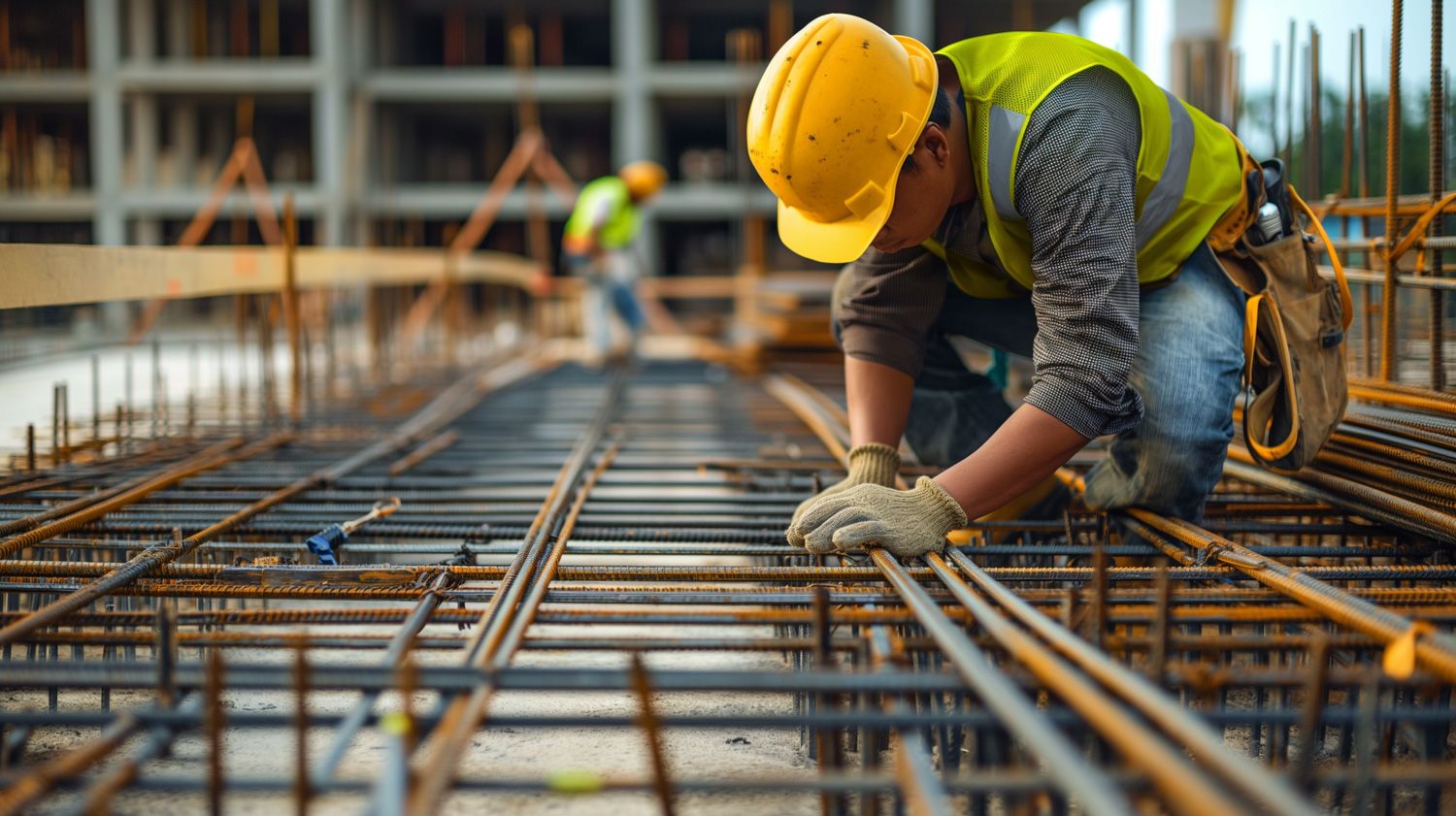
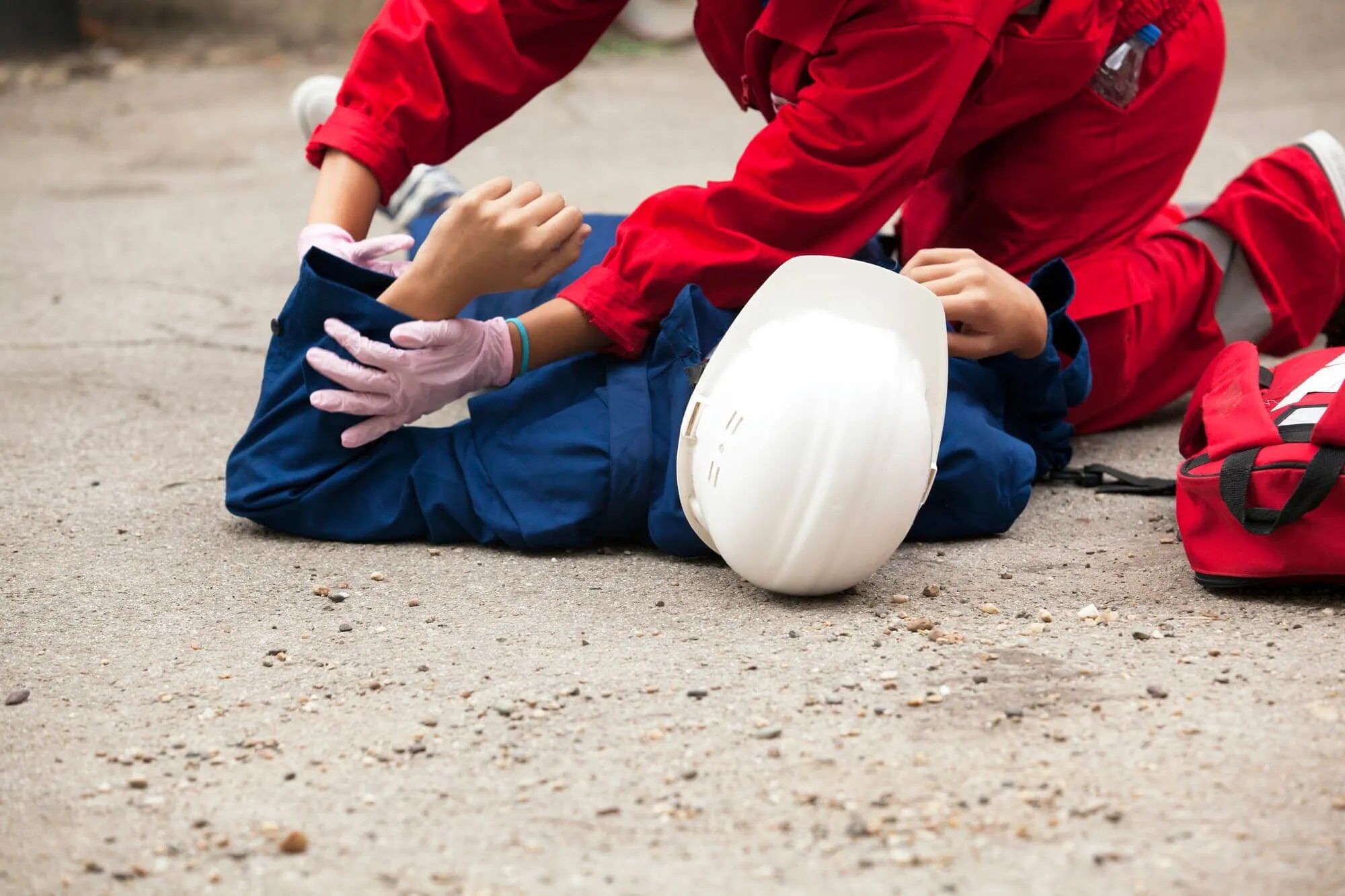
How Construction Accidents Happen
Construction injuries rarely come “out of the blue.” They usually involve a combination of known and unknown hazards and missed safety steps. When those steps are missed, the results can be costly for injured workers.
Common patterns we see as Houston Construction Accident Lawyers include:
-
Falls from scaffolds, ladders, roofs, or unprotected edges. Falls are a leading cause of construction worker deaths and serious injuries.
- Struck‑by incidents, such as being hit by moving equipment, swinging loads, falling tools, or materials.
-
Caught‑in or caught‑between events, including trench collapses, equipment rollovers, or workers caught between vehicles and fixed objects.
-
Electrical shocks and arc flashes from contact with power lines, damaged cords, or unsafe temporary wiring.
-
Crane, hoist, or heavy equipment incidents on heavily populated or poorly coordinated sites.
Construction accidents aren't always someone’s legal fault. However, many of them can be traced back to a few common things, like missing guards, lack of fall protection, poor site planning, or violations of safety rules.
Common Injuries in Construction Accidents
Because of the forces involved and the heights and equipment present, construction injuries are often more serious than other Houston Personal Injuries and can include:
-
Traumatic brain injuries and head trauma from falls, being struck, or equipment incidents.
-
Spinal cord injuries, back injuries, and fractures from falls or falling objects.
-
Crush, or impact injuries and amputations involving hands, arms, legs, or feet.
-
Serious burns from electricity, fires, or explosions.
-
Joint and orthopedic injuries that can make it hard to return to heavy work.
Government and research data show that construction workers experience higher rates of musculoskeletal injuries and long recovery times compared with many other sectors.
Texas Construction Work and Employer Coverage
Texas is different from many states because employers are not required to carry workers’ compensation coverage. Some do, some do not, and some are “non‑subscribers” who use alternative plans if a worker gets injured.
Why does this matter?
-
If your employer carries Texas workers’ compensation, you generally cannot sue your employer for negligence, but you may still have third‑party claims (for example, against a subcontractor, equipment manufacturer, or property owner).
-
If your employer is a non‑subscriber, you may have the right to bring a negligence case directly against them, but the details are fact-specific.
A Houston construction accident lawyer can help you sort out who carries coverage, who may be liable, and what options you actually have. If you or someone you know was hurt on the job, finding this link between who is and isn't covered can be incredibly difficult. So, contact an attorney to find out more.
What To Do After a Construction Accident
On a construction job site, everything moves fast, and it is easy for details to be lost. This is especially true if the site is unfinished or mostly outdoors. So, if you were hurt after an accident, you should:
-
Get medical care right away, either through on-site first aid followed by a clinic, or from emergency services if needed. Even if you feel ok, it's a good idea to get medical attention.
-
Report the injury as soon as you can to your supervisor or safety manager and note who you told and when. This step is absolutely one that has to be followed, as so many cases have been hurt by not reporting injuries promptly, or at all.
-
If possible, take photos of the area you were hurt, any equipment that might have played a role, and any visible hazards (missing guardrails, open holes, debris, or exposed wiring).
-
Get names and contact information for coworkers or witnesses who saw what happened. Federal Law prohibits retaliation for reporting a workplace injury, and the EEOC provides guidance on retaliation.
-
Keep copies of any incident reports, OSHA notices, or communications from your employer, insurer, or site management.
For general construction safety guidance and to better understand how hazards should have been controlled, you can also review OSHA’s construction safety resources.
Who is Responsible for a Construction Accident?
Construction sites often involve multiple companies, sub-contractors and potential vendors. The list can go on, but responsibility can extend beyond your direct employer. In fact, given the size and scale of most construction jobs, there are likely other parties that could bear responsibility.
These potentially responsible parties can include:
-
General contractors who are responsible for the overall site safety and coordination of work.
-
Subcontractors whose employees may have created or ignored hazards leading to the injury.
-
Property owners or developers who controlled the premises when it is determined that their negligence played a part in the injury.
-
Equipment manufacturers or distributors, if a defect in a tool, machine, or safety device contributed to the injury.
-
Third‑party drivers or delivery companies, if a vehicle under their care caused the harm.
Part of our job as Houston Construction Accident Lawyers is to identify each company or person who may share responsibility in your injury and to find out what insurance policies (workers’ compensation, commercial general liability, auto, excess/umbrella) may be available.
How Construction Accident Claims and Workers’ Comp Interact
If you are covered under workers’ compensation and your company is an actual subscriber, that system usually pays:
-
A portion of your lost wages as a result of the accident.
-
Medical treatment that is approved under the system. This means your company will direct your medical care with providers they select. If you have questions, call us.
-
Certain impairment benefits if you have permanent limitations as a result of your injury.
However, workers’ comp does not pay for all wage loss, pain and suffering, or many types of future losses. In some cases, you may be able to bring additional claims against third parties for:
-
Pain and suffering and loss of enjoyment of life.
-
Full lost wages and loss of earning capacity.
-
Future medical expenses and home modifications not covered by comp.
The details here depend on who was negligent and what coverage exists, which is why a Houston construction accident lawyer should review the full picture. We're here to help make sense of it, so let us know if you need help.
What a Construction Accident Settlement May Include
A third‑party construction injury claim can help fill in the gaps left by workers’ compensation.
Depending on the case and who was liable, it may address:
-
Past and future medical expenses, including surgeries, therapy, and assistive devices to help aid in recovery.
-
Lost income and loss of earning capacity if you cannot return to the same work or if you can't work at all.
-
Costs of retraining you or for education if you have to move into lighter work or a new role.
-
Pain, suffering, and the impact of the physical limitations that the accident had on your daily life.
-
Home or vehicle modifications and in‑home care services if needed.
-
In fatal cases, wrongful death and survival damages are awarded to family members.
Studies of workplace injuries show that serious construction accidents can lead to prolonged time away from work and, in some cases, permanent departure from the workforce, especially when back or brain injuries are involved.
How a Houston Construction Accident Lawyer Can Help You
Trying to deal with medical care, lost income, workers’ comp paperwork, and third‑party claims at the same time can be overwhelming. This is especially true when you're really hurt and need to focus on getting better.
A Houston construction accident lawyer can help you with all of that, as well as:
-
Analyzing your situation to see whether you have only a workers’ comp claim or one or more additional third‑party claims.
-
Preserve evidence on your behalf while they investigate the job site, contracts, and safety history to identify negligent parties.
-
Work with safety and medical experts to explain how the accident happened and what your injuries will mean over time.
-
Coordinate with your workers’ compensation benefits while pursuing additional recovery where possible.
-
Handle all negotiations and deadlines so you can focus on your health and your family.