





Sending a child to school is an act of trust. Parents expect that while their children are learning, they are being supervised and kept safe from harm. However, accidents happen, from playground falls to sports injuries and bus collisions. When a child is hurt, the first question many parents ask is: What can you sue a school for?
The answer is more complex than a standard personal injury case. Depending on whether the school is public, private, or charter, the legal hurdles you face can vary significantly. In many cases, "sovereign immunity" protects schools from lawsuits, but there are critical exceptions that every parent should know.
The Reality of Suing Public Schools
It is a common misconception that public schools can be sued as easily as a grocery store or a private business. Some of the most influential decisions in the history of the United States Supreme Court originated in public schools, such as Brown v. Board of Education or Tinker v. Des Moines. However, the vast majority of these cases address constitutional issues rather than physical injuries.
When it comes to a student getting injured on school premises or during a school-sanctioned activity, public school districts enjoy a high degree of legal immunity.
The Santa Fe Independent School District Case
A prime example of a school district reaching the highest court in the land occurred right here in Texas. In the 2000 case Santa Fe Independent School District v. Doe, the Supreme Court ruled that the district acted unconstitutionally by allowing a student chaplain to lead a prayer over the public announcement system before football games.
While this was a major victory for the First Amendment, it illustrates a key point: lawsuits against public schools are most successful when they involve violations of civil rights or constitutional protections. If the case is strictly about a physical injury, the rules change entirely.
Public vs. Private Schools: The Rules of Immunity
If you are considering legal action, the "type" of school your child attends is the most important factor in determining your success.
1. Public Schools and Charter Schools
In general, public schools (and most charter schools) are considered government entities. Under the doctrine of sovereign immunity, you generally cannot sue them for injuries. There is, however, one major, universal exception: school bus accidents.
In many states, including Texas, the law allows for lawsuits against a school district if the injury was caused by the negligent operation of a motor-driven vehicle. If a school bus driver causes a crash, the district can typically be held liable.
2. Private Schools
The "blanket of immunity" does not extend to private schools. Because private schools are non-governmental entities, they can be sued in civil court for almost any reasonable matter involving negligence. If a private school fails to maintain its playground equipment or lacks proper supervision, it is treated similarly to any other private organization in a personal injury lawsuit.
Why Do Schools Have Immunity?
The philosophy behind immunity is practical, if frustrating for parents. Public schools provide free education to millions of children. Because children are active and prone to accidents, they get injured frequently, spraining ankles during soccer practice or scraping knees at recess, despite a school’s best efforts.
If parents could sue for every minor "bump and bruise," the court system would be overwhelmed by an avalanche of cases, and school budgets would be drained by legal fees rather than spent on education. However, this immunity is not absolute.
When Immunity Fails: Liability and Third Parties
While the school district itself might be protected, other parties involved with the school might not be. Personal injury law firms often look for liable third parties who do not enjoy government immunity. These may include:
-
Building Contractors: If a child is injured by a falling ceiling tile or faulty construction, the contractor who performed the work may be liable.
-
Volunteers and Visitors: Individuals not directly employed by the district may not be covered by the same immunity.
-
Outside Vendors: Companies contracted to provide food, security, or transportation services may be subject to standard negligence laws.
The Exception of Gross Negligence
Even public school districts can be sued if their actions go beyond simple accidents and cross into the territory of gross negligence.
Simple negligence is a mistake; gross negligence is a conscious and voluntary disregard of the need to use reasonable care, which is likely to cause foreseeable grave injury or harm.
Example: Heat Stroke and Corporal Punishment
In Texas, some schools still exercise forms of corporal punishment or extreme physical exertion as discipline.
The Scenario: Imagine a coach makes a student run extra laps as punishment. If that coach forces the student to run outside in the middle of a Texas summer in 100-degree weather, and the student suffers heat exhaustion or a stroke, this is a clear example of gross negligence.
In such a case, the school’s immunity would likely be stripped away. The act of forcing a child into a life-threatening environment is an intentional disregard for safety. In these instances, school district attorneys often propose settlement offers quickly to avoid the optics of a public trial.
Common Grounds for Suing a School
Beyond bus accidents and gross negligence, there are a few other specific areas where a school may be held accountable:
-
Premises Liability: If a school is aware of a dangerous condition (like a gas leak or toxic mold) and fails to address it or warn parents, they may be liable.
-
Negligent Supervision: This is difficult to prove against public schools, but it is a common claim against private schools. It involves showing that the school failed to provide the level of supervision necessary to prevent a foreseeable injury (such as a known bully attacking another student).
-
Sexual Harassment or Abuse: Schools have a federal mandate under Title IX to protect students from sexual harassment and abuse. If a school is "deliberately indifferent" to reports of abuse, it can be sued in federal court.
Speak with a Personal Injury Attorney
Navigating the legal landscape of school districts, sovereign immunity, and tort claims acts is incredibly confusing. The laws vary significantly from state to state, and the "notice of claim" deadlines, the window of time you have to notify a government entity of your intent to sue, are often much shorter than standard personal injury deadlines.
If your child has been injured at school, the best thing you can do is speak with a personal injury attorney. An experienced lawyer can review the facts of the case to determine:
-
If the school is public, private, or charter.
-
If the injury falls under the "motor vehicle" exception.
-
If the staff’s behavior constitutes "gross negligence."
-
If there are third-party contractors who can be held liable.
Mukerji Law offers a free consultation, meaning there is no financial risk in getting a professional opinion. You deserve to know if you have a path toward justice and compensation for your child’s medical bills and suffering.
Call 713-222-1222 today to schedule your free case evaluation and get the answers you need.

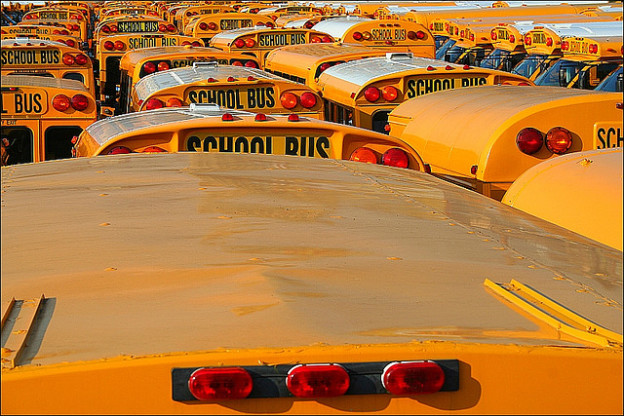
school buses by Rupert Ganzer by CC BY-ND 2.0